
A brief history of Homing Pigeons(Columba livia domestica):
One of the favourite pastimes that developed after World War Two in the mining communities of South Wales was Pigeon racing. This included our small community of Blaengwrach and Cwmgwrach where a number of lofts were to be found. I remember it was a common site in the 50’s, 60’s and 70’s to see a flight of pigeons circling above the village.
But before we look in depth into this pastime, let’s look at the history of pigeons and their links to mankind.
* In fact we can go back to Rameses III of Egypt around c1200 BC when they were used to carry messages between cities regarding the flooding of the Nile.
* In Roman times they were used to carry messages throughout the Empire. Julius Caesar reportedly sent news of his conquest of Gaul back to Rome via Pigeon.
* Napoleon Bonaparte also did likewise after his defeat at the Battle of Waterloo.
* In World War 2 they were carried on board every plane going on raids over Europe and were released if a plane was forced to ditch with the grid reference attached to the leg of the bird to alert rescuers.
* We should also remember that Noah released a Dove (a cousin of the pigeon) which returned to the Arc with a tree branch which showed that the seas were receding.
Homing pigeons were held in high esteem in the Arab world and were called “The Kings Angels”, and they were brought back to Europe in the 11th and 12th Century by the Crusaders.
See link below for a video of the history of the pigeon:
https://www.rpra.org/wp-content/uploads/2013/05/Pigeon-History.wmv
A brief History of Pigeon Racing:
The Homing Pigeon was developed from the Wild Rock Dove (Columba livia), which have the innate capability and stamina of travelling over very long distances very quickly and have a knack of finding their own way home. Homing pigeons have been specifically bred over the years with these attributes to create the Homing Pigeon we know today.
As an example of their ability, they can travel over a moderate distance of 600 Miles at an average flying speed of 60 mph, but can achieve speeds of 100 mph over shorter distances with a tail wind.
It is claimed the greatest long-distance flight recorded by a pigeon is one that started at Arras in France and ended in Saigon, Vietnam, back in 1931. The distance was 11,600km (7,200 miles) and took 24 days.
In France in the 1800’s there was an official pigeon postal service throughout the country. Eventually this was expanded between London and Paris, and a postal service by carrier pigeon between both capitals was advertised in 1870.
The British royal family began to keep pigeons in the late nineteenth century, and pigeon racing became a sport of the masses in the early 1900’s.
During both World War One and Two pigeons were used extensively to carry messages for both the German and British armies, some British pigeons were even awarded the Dickens medal for their bravery.
Pigeon racing as a sport for Homing Pigeons started in Belgium during the early 19th century. The first long distance race of more than 100 miles took place in Belgium in 1818. From this early race the sport spread from Belgium to France, the Netherlands, Great Britain and the United States.
In 2020 a Chinese buyer paid a record £1.3 million for a champion racing pigeon from Belgium. (I remember my uncle Billy Jones visiting a Belgium fancier on his holidays to buy some birds.)
How does the Homing Pigeon Navigate you may ask?
It has been a mystery for many years on how Homing Pigeons are able to find they way back home, even from great distances. There have been many scientific studies over the years to see if they can identify how the Homing Pigeon navigates over long distances, but yet it’s still not fully understood how they do this.
There are several theories to explain this phenomenon which are explained below.
- One though is that they use landmarks, such as river and roads, basically their own inbuilt Sat Nav.
- They also figured out that the pigeons use a magnetic sense called “magneto-reception” which uses the earths magnetic field to navigate their way home.
- Another theory is that over longer distances it is thought they use the position of the sun and the stars as an aid to finding their way home.
- More recently other factors have been considered, such as the use of their sense of smell, it has even been considered that they use low-frequency infrasound which is inaudible to human ears, but are created by everything from Oceans and the earth’s crust.
So as you can see it’s not finally understood which of these theories is the right one, or may be it’s a combination of all of them.
Loss of birds:
The Suns periodic surface storms which disturb the earth’s magnetic field, therefore disabling the pigeon ability to use this magnetic field to navigate.
The start of pigeon racing in the village:
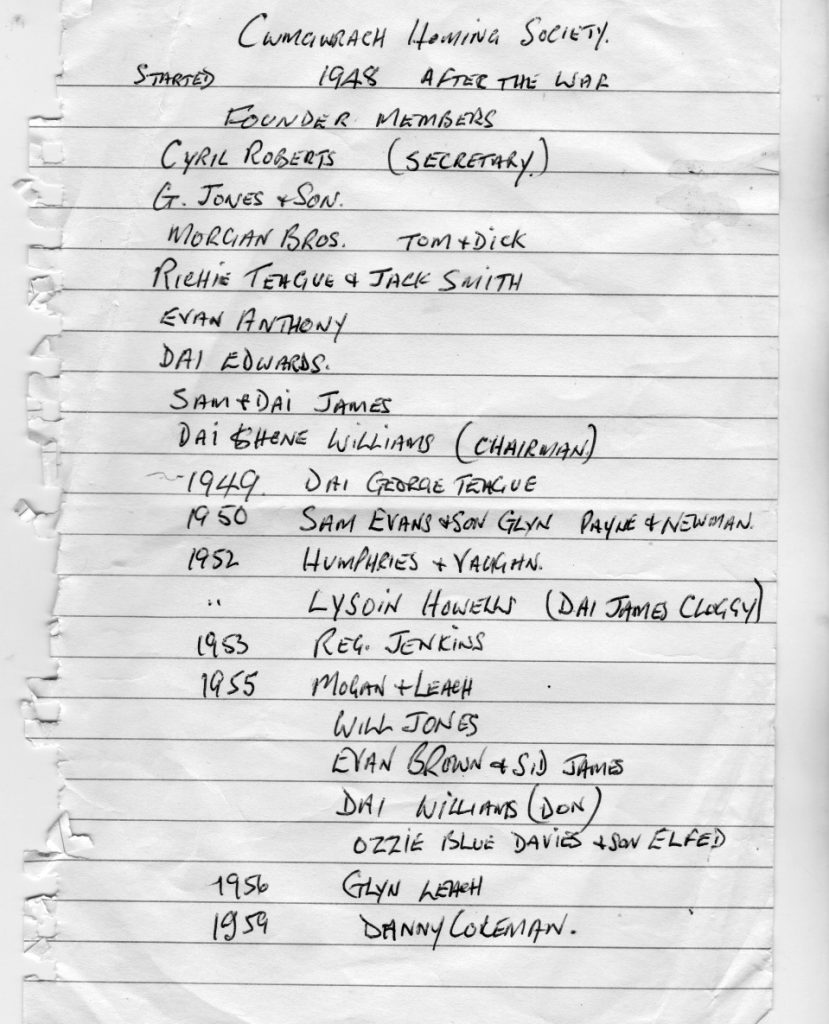
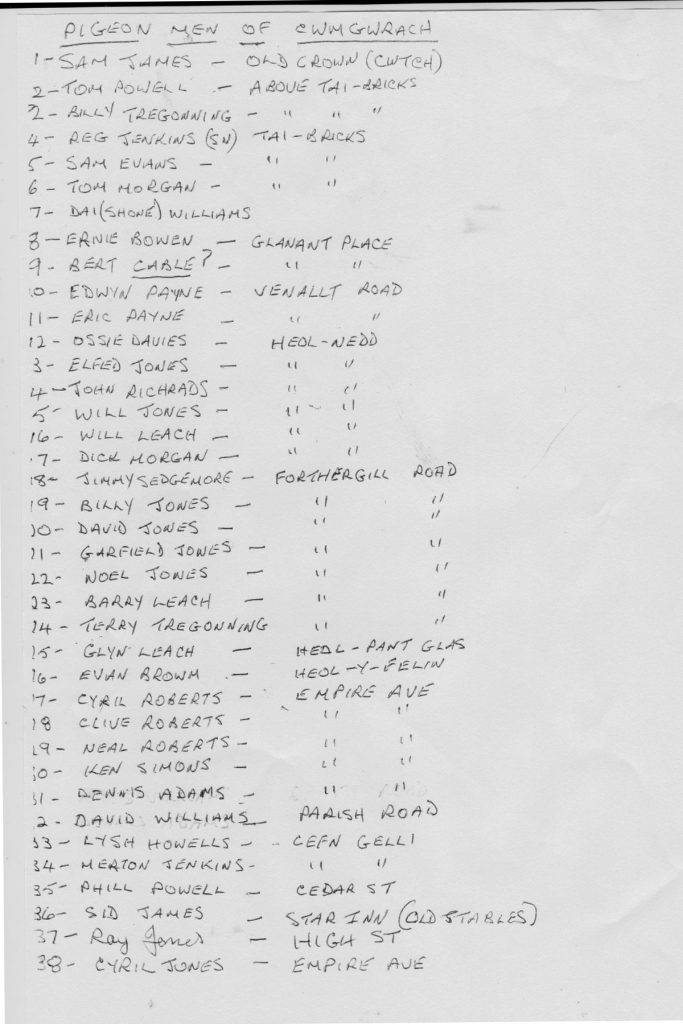
Pigeon racing in the village started just after the war in 1948, there where twelve original founding members of the Cwmgwrach Homing Pigeon Society with Dai Shone Williams as Chairman and Cyril Roberts as the Secretary. The following two lists were provided by Barry Leach, thank you Barry for pulling these lists together.
The first list shows the original founding members and the year they joined the society. The second list shows the members who joined over the following decade and the streets they lived in eventually totalling 38 members. So as you can see there were many lofts spread out throughout the village.
The development of the Cwmgwrach Homing Pigeon Society:
The first club house for the Cwmgwrach Homing Society was the Colliers Arms when the landlord was a Mr Trearne. A good few years later the club moved to the Star Inn. John Davies remembers that in the early days the pigeon would be transported by Mr. Lee Rossiter, the son of Rossiter’s the grocers shop, he had converted a small van to carry about ten baskets of pigeons.
I remember in the 60’s and beyond there was a big black garage down at the bottom of Dunraven Street that the pigeon club used. From there they would receive the members pigeons in wicker baskets ready to be transported by train to whichever destination the race was to start from, be in the UK or further afield in Europe. This continued until the closure of the railway line in June 1964 by Beecham.
The next development was the purchase of an articulated lorry trailer, which was converted to carry dozens of wicker baskets full of pigeons to the start of the race.
It was also a common site to see cars leaving the village with a basket or two of pigeons attached to the roof rack of a car. In fact my father would often help my grandfather and Billy Jones in taking the pigeons on a training flight about twenty miles or so away from the village. You can see one such run in the video below, we let the pigeons go a few miles outside Ystradfellte on the way the Sennybridge.
https://www.facebook.com/reel/1310405597646640
The day of the Race, how pigeon racing works?
Once the birds had been ringed by putting a small rubber ring with an identifying number on their leg, they were transported to wherever the race was starting from, this could be somewhere a few hundred miles away, or even Scotland and sometimes into Europe.
Once the weather was OK to start the race, there was not much else for the fanciers to do but wait. They would have a good idea what time it would take for the pigeons to return to their loft, so some time before that they would prepare to receive the birds back at their loft.
Once the pigeon was circling the loft they would encourage the bird to land by rattling a tin of birdseed, whistling and throwing some of the seed on the ground and on the landing perch.
Once the bird had landed, they removed the ring and took it to the place where it could be timed by placing the ring in a timing clock. To speed this process up, they would buy their own clock, so that they could time them as soon as possible, then take the clock to the central location for the time to be confirmed.
The story of the below photo:
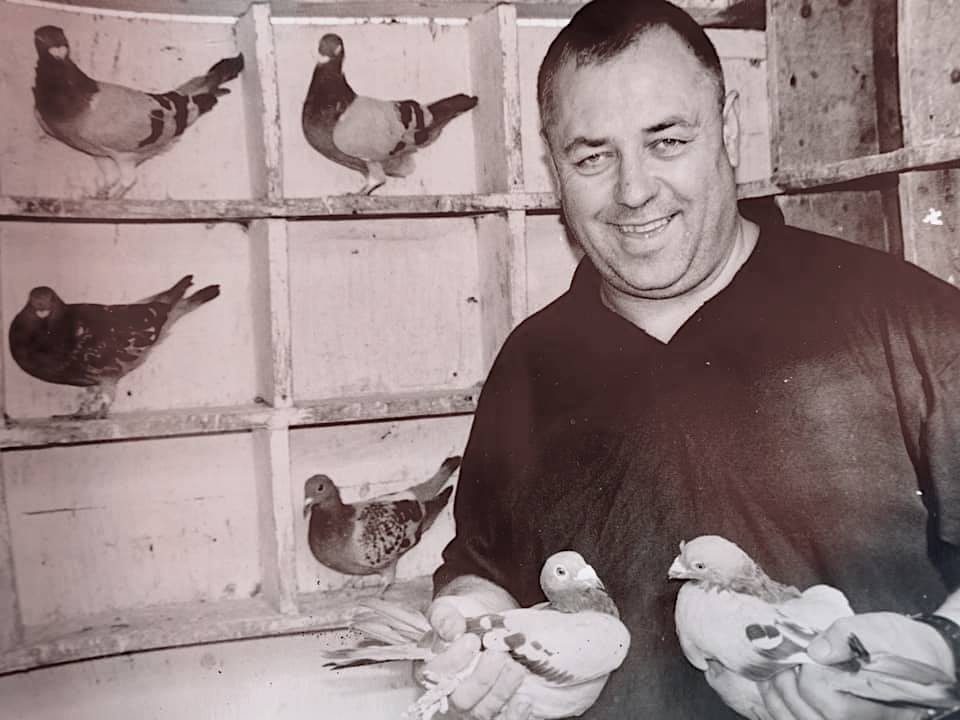
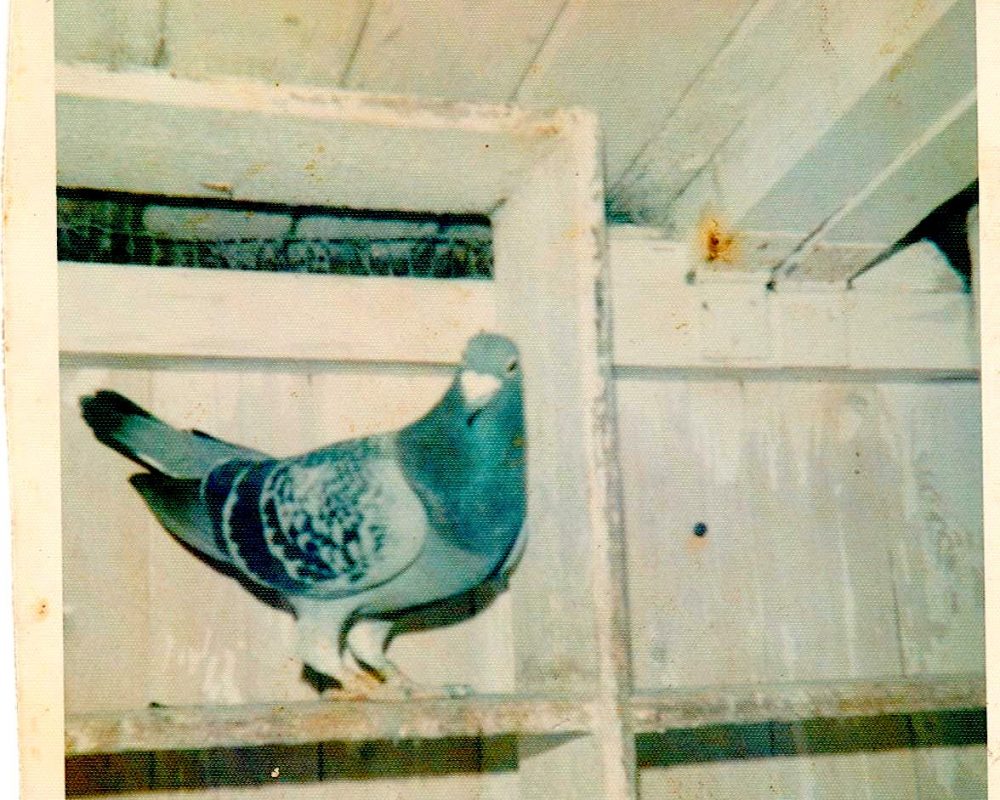
During the later part of the 1960’s and early 1970’s my father would take photo’s of winning pigeons in his barber shop in Cwmgwrach. To do this he created a stage like box from an old tea chest (remember them). A perch was glued to the floor of the box and the whole of the inside was painted white and if my memory serves me right it had a little electric light in there as well.
The winning pigeon would be placed on the perch and my father would arrange the birds feathers with a long stick to get the feathers in the best order for the photo. Once the bird was looking good, he would take the picture. The photo would then be framed.
Over the years he must have taken dozens of these photos, I wonder if there are any left on peoples walls today? Let me know in the comments if you still have one of these photos.
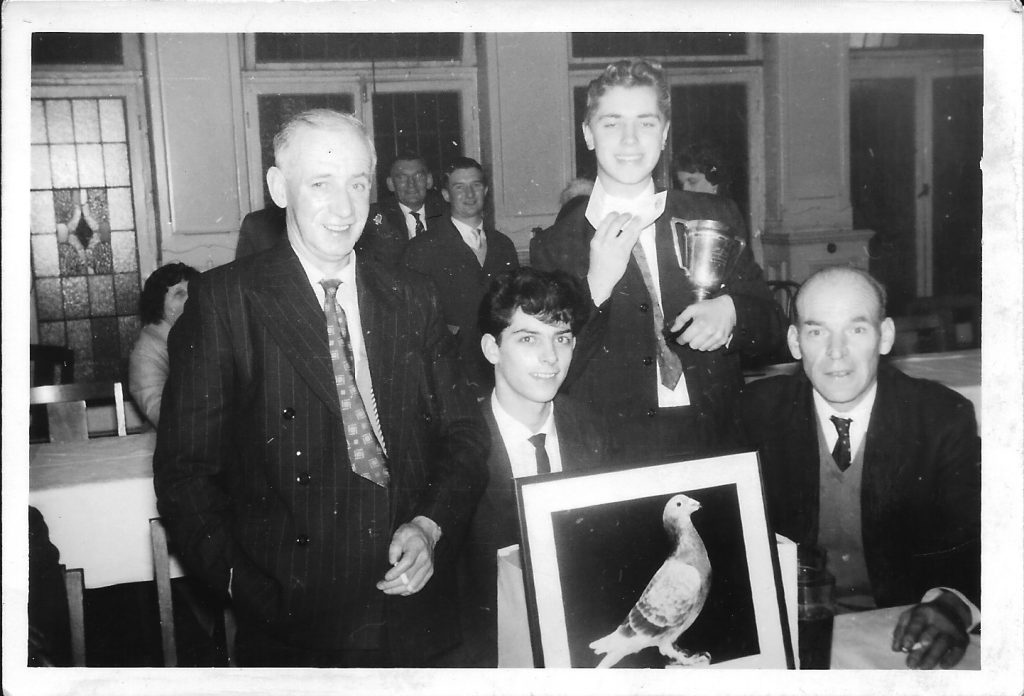
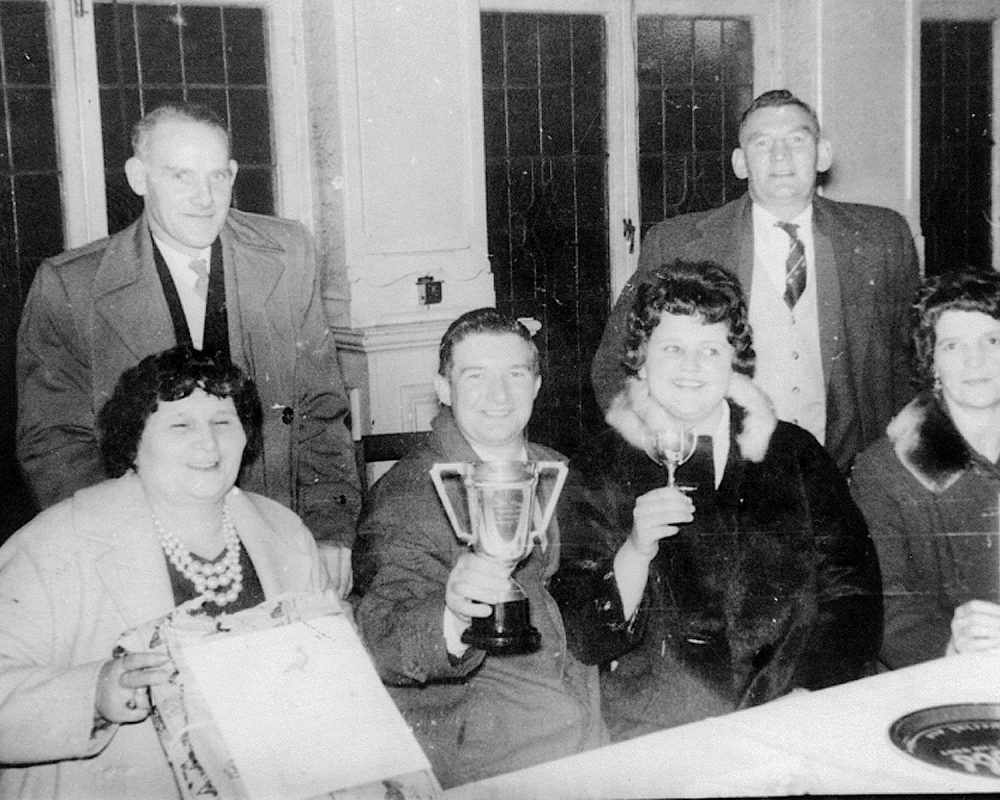
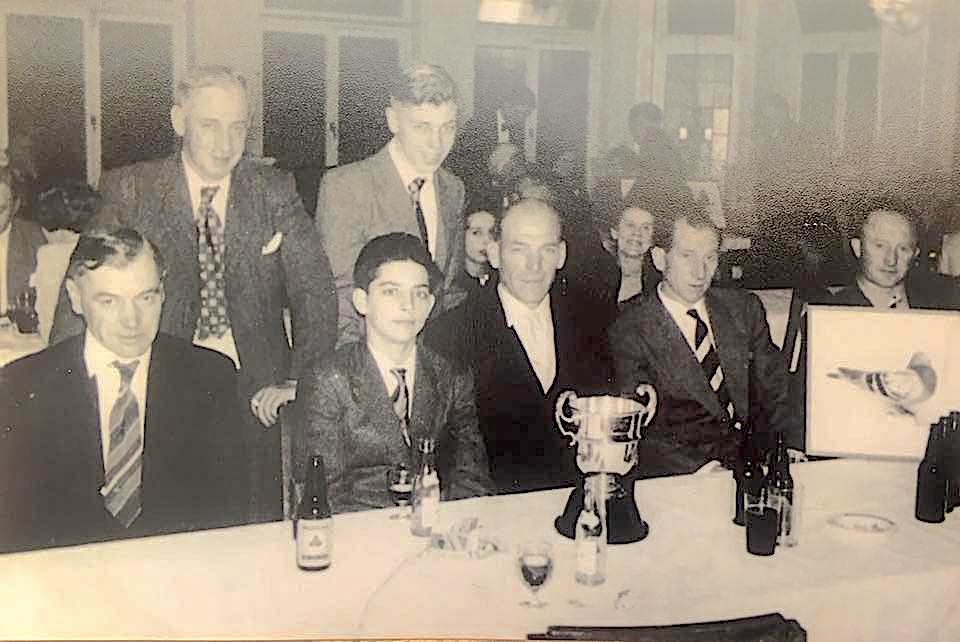
You can see an example of the framed pigeon photo above, I’m not sure where the photo was taken, maybe in the Welfare Hall in Glynneath. From left to right: Evan John Evans, Reginald Jenkins, a beaming Billy Jones with the cup and a cheque, and Reginald Jenkins Sir. The photograph was taken by my father Billy Bowen.
Now she’s really the pride of the village!
(A cutting from The People newspaper from the 28th June 1953, I’ve transcribed the article as it’s difficult to read.)
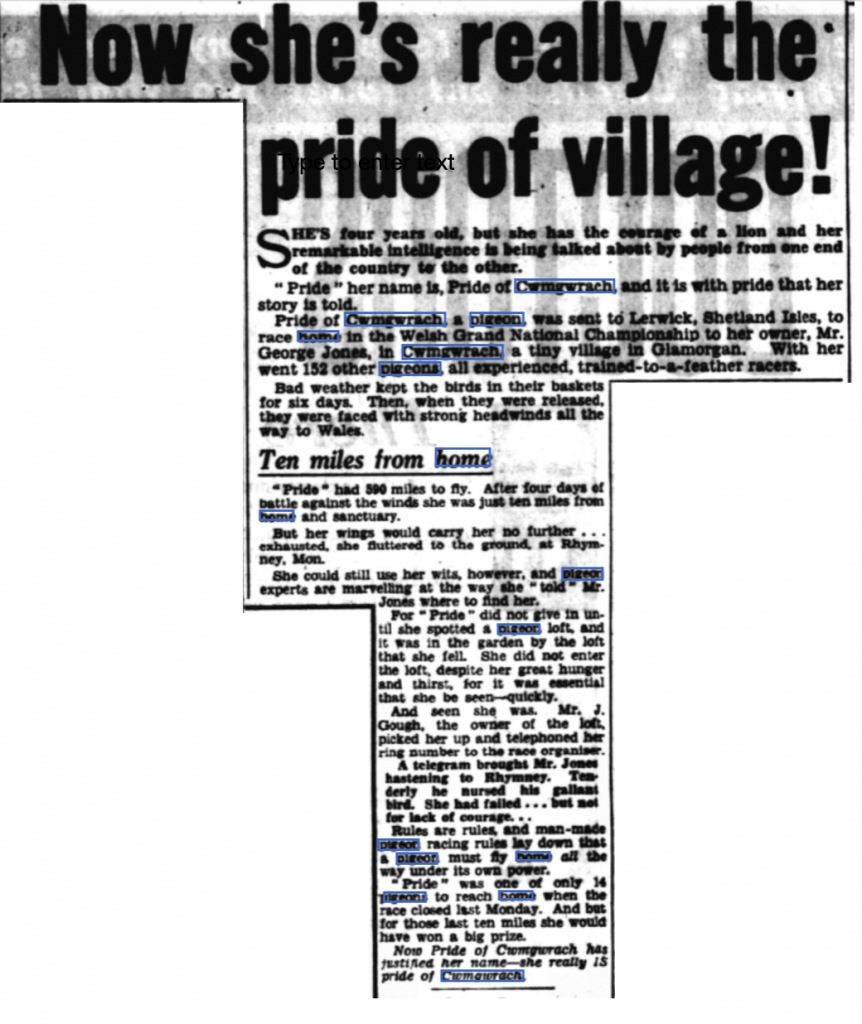
She’s four years old, but she has the courage of a lion and her remarkable intelligence is being talked about from one end of the country to the other.
“Pride” her name is. Pride of Cwmgwrach, and it is with pride that her story is told.
Pride of Cwmgwrach, a pigeon was sent to Lerwick, Shetland Isles, to race home in the Welsh Grand National Championship to her owner, Mr. George Jones, in Cwmgwrach a tiny village in Glamorgan. With her went 152 other pigeons, all experienced, trained-to-a-feather racers.
Bad weather kept the birds in their baskets for six days. Then, when they were released, they were faced with strong headwinds all the way to Wales.
Ten Miles from home
“Pride” had 590 miles to fly. After four days of battle against the winds she was just ten miles from home and sanctuary.
But her wings would carry her no further…. Exhausted, she fluttered to the ground, at Rhymney, Monmouthshire.
She could still use her wits, however, and pigeon experts are marvelling at the way she “told” Mr. Jones where to find her.
For “Pride” did not give in until she spotted a pigeon loft, and it was in the garden by the loft that she fell. She did not enter the loft, despite her great hunger and thirst, for it was essential that she be seen – quickly.
And seen she was, Mr. J. Gough, the owner of the loft, picked her up and telephoned her ring number to the race organiser. A telegram brought Mr. Jones hastening to Rhymney. Tenderly he nursed his gallant bird. She had failed…but not for lack of courage…
Rules are rules, and man made pigeon racing rules lay down that a pigeon must fly home all the way under its own power. “Pride” was only one of 14 pigeons to reach home when the race closed last Monday. And but for those last ten miles she would have won a big prize.
Now Pride of Cwmgwrach has justified her name—she really is the pride of Cwmgwrach.
Memories of Pigeon Racing in the village:
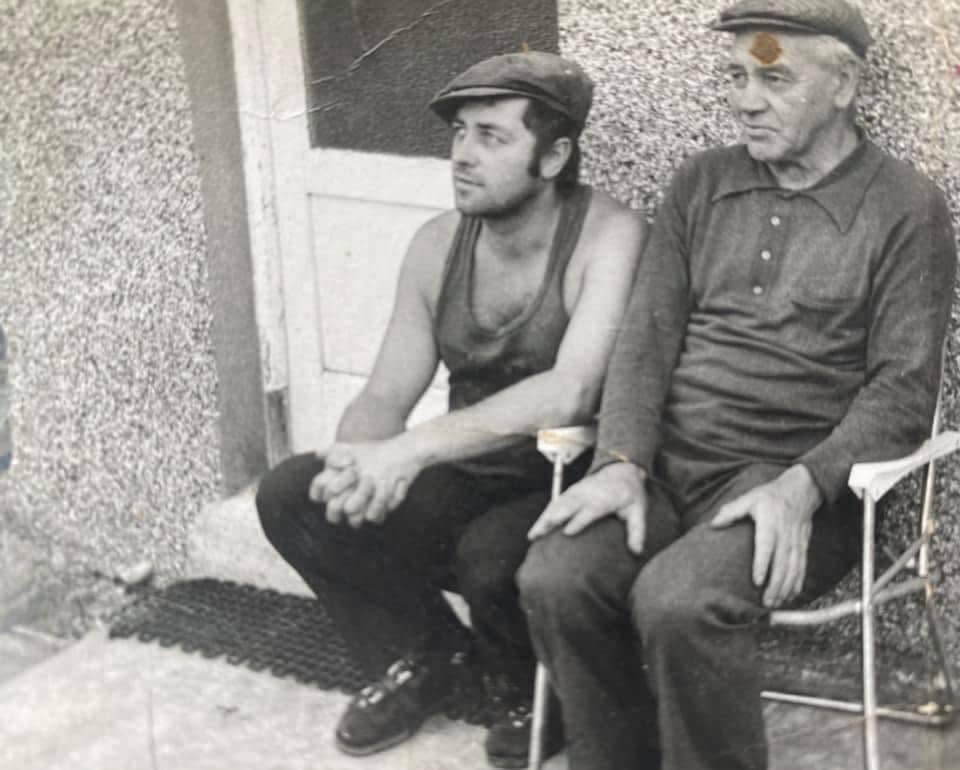
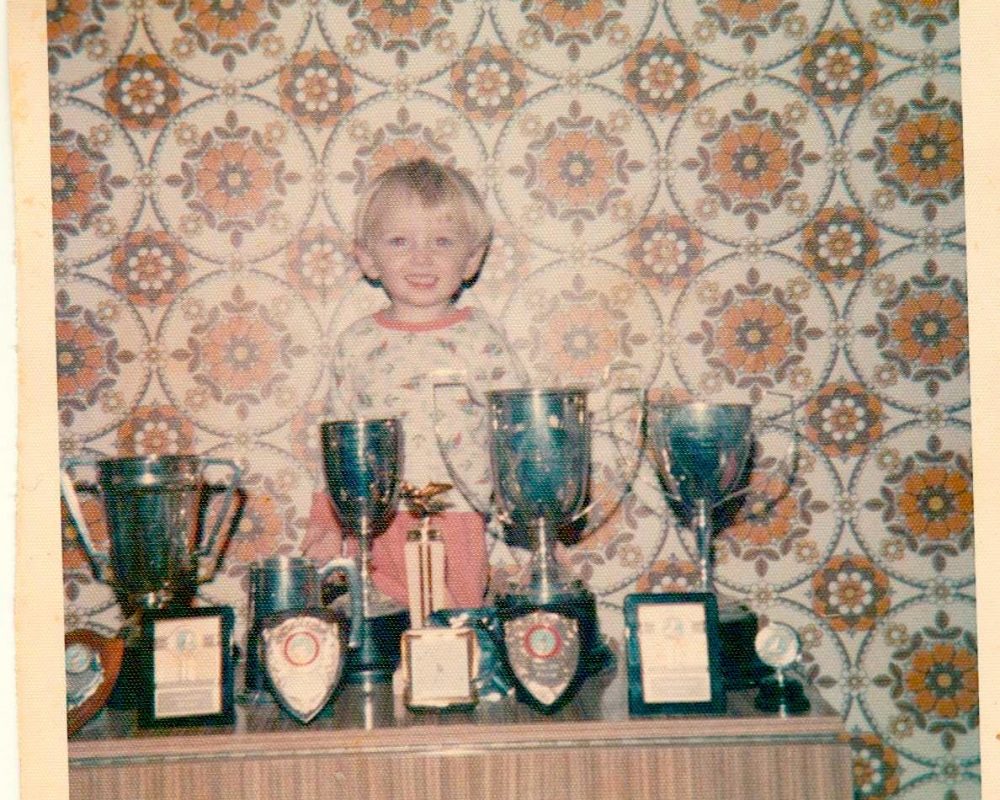
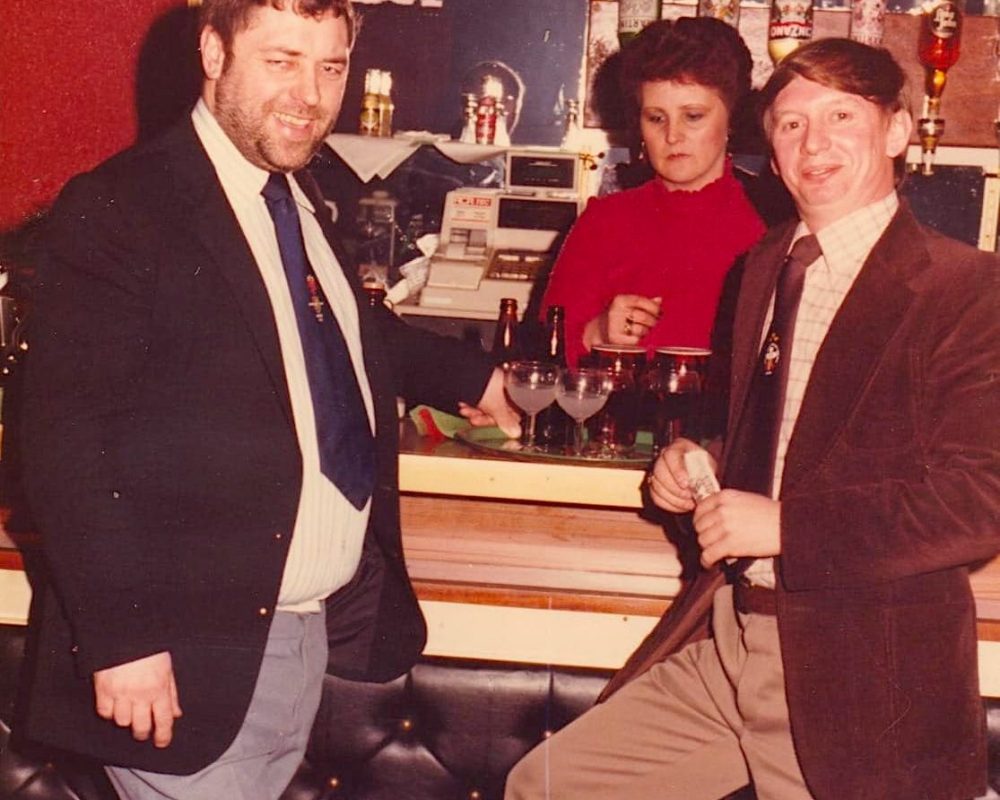
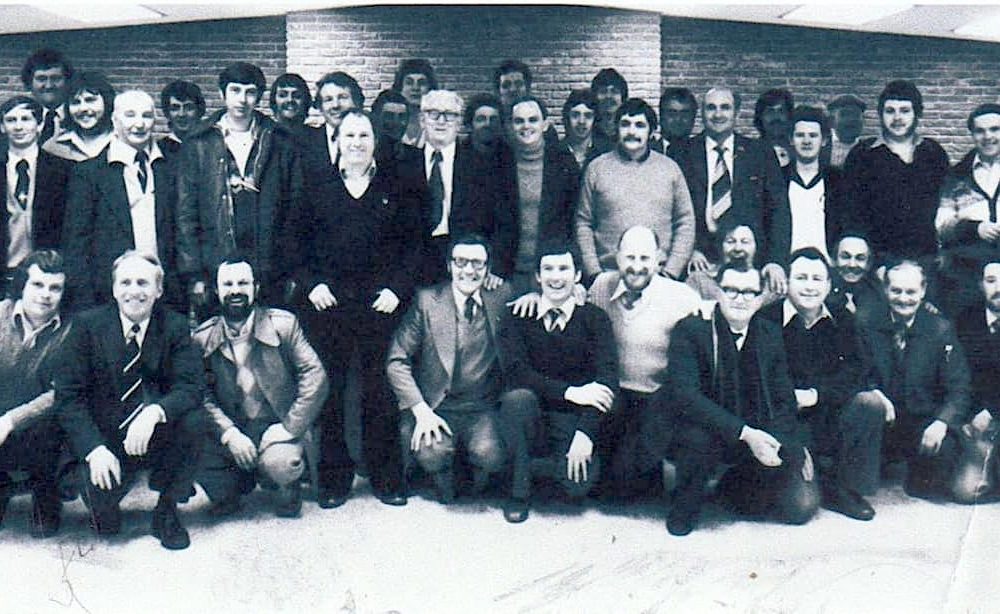
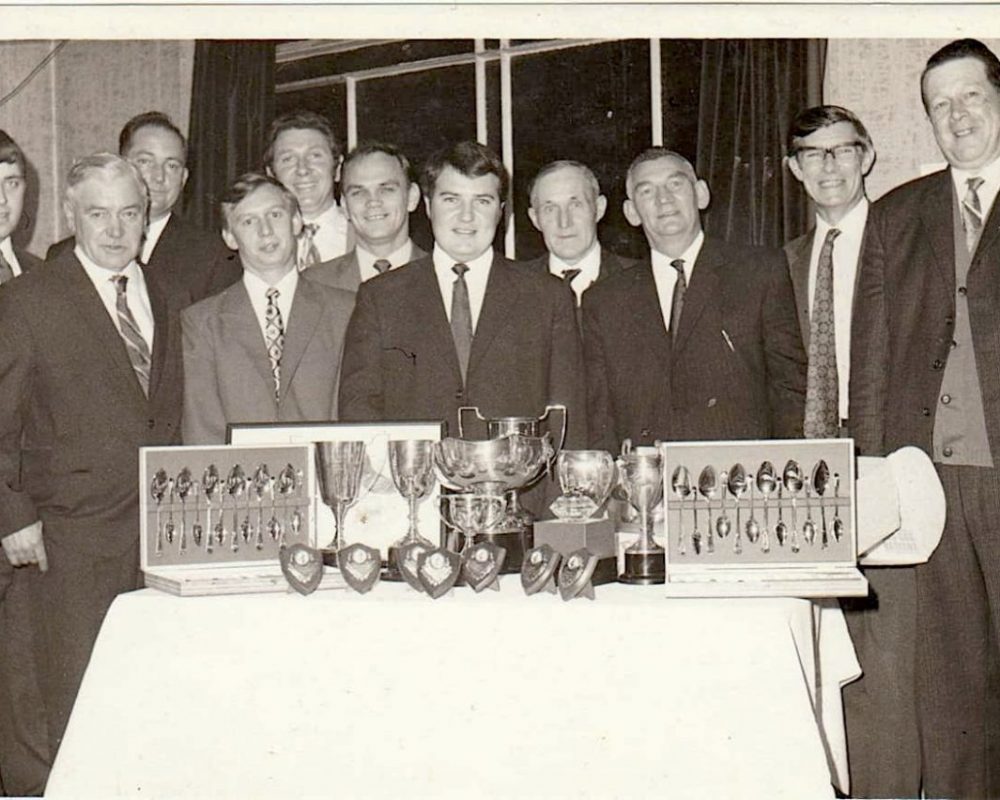
I posted on the village Facebook page last year to ask for peoples memories of pigeon racing in the village and I was pleasantly surprised by the reaction it received. In total there were 101 comments with people sharing their memories along with many photos of pigeon lofts, presentation evenings posted. I have over the years collected many newspaper clippings as well so you will find them below.
I have grouped these photos into categories, attached names were known and put them into a slideshow. I hope you enjoy and it brings back some pleasant memories.
Photographs of pigeon racing in the village:
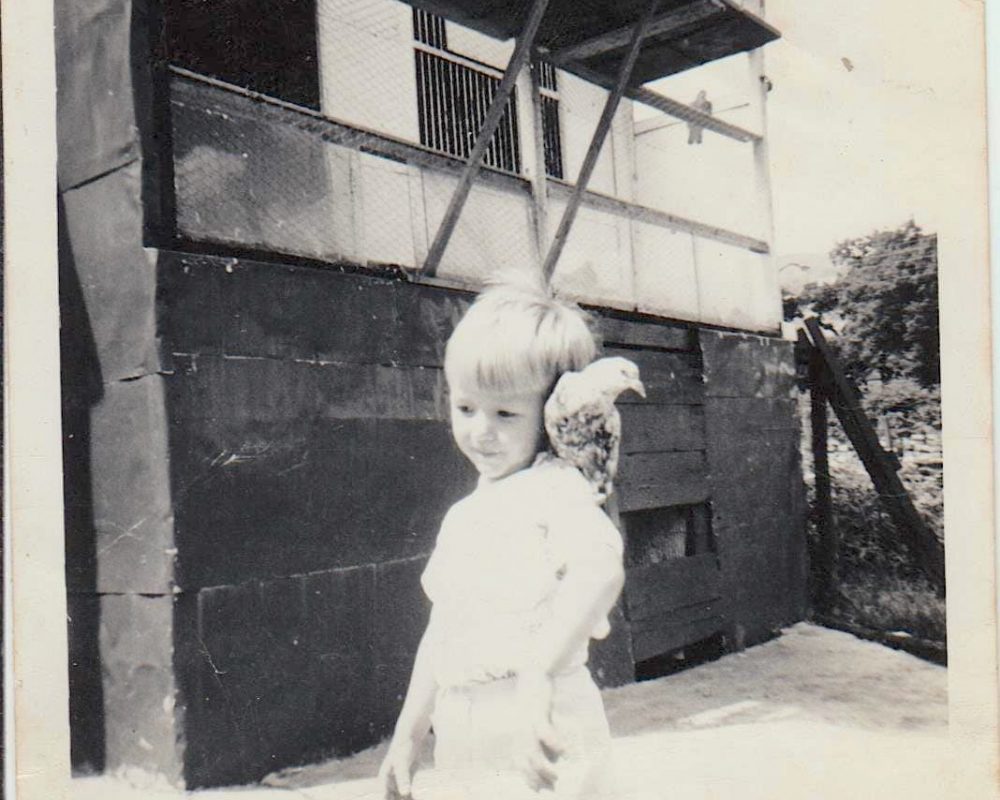
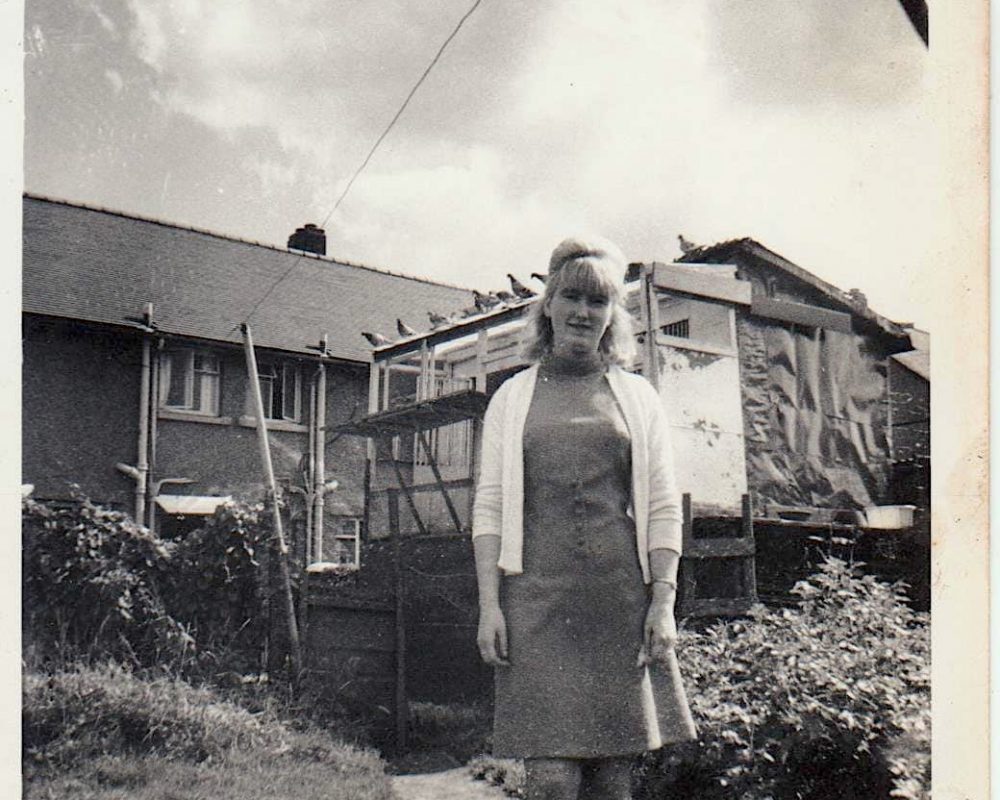
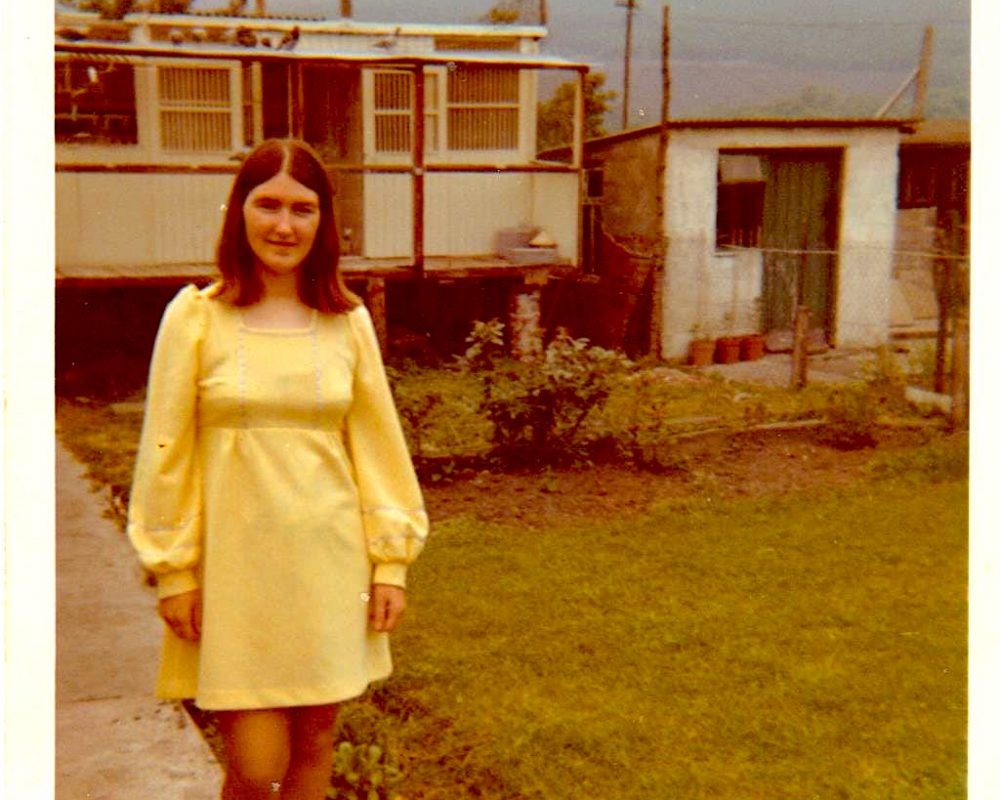
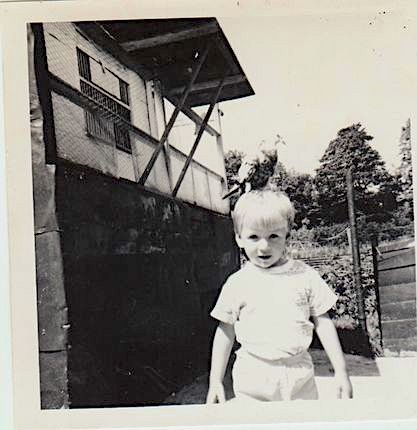
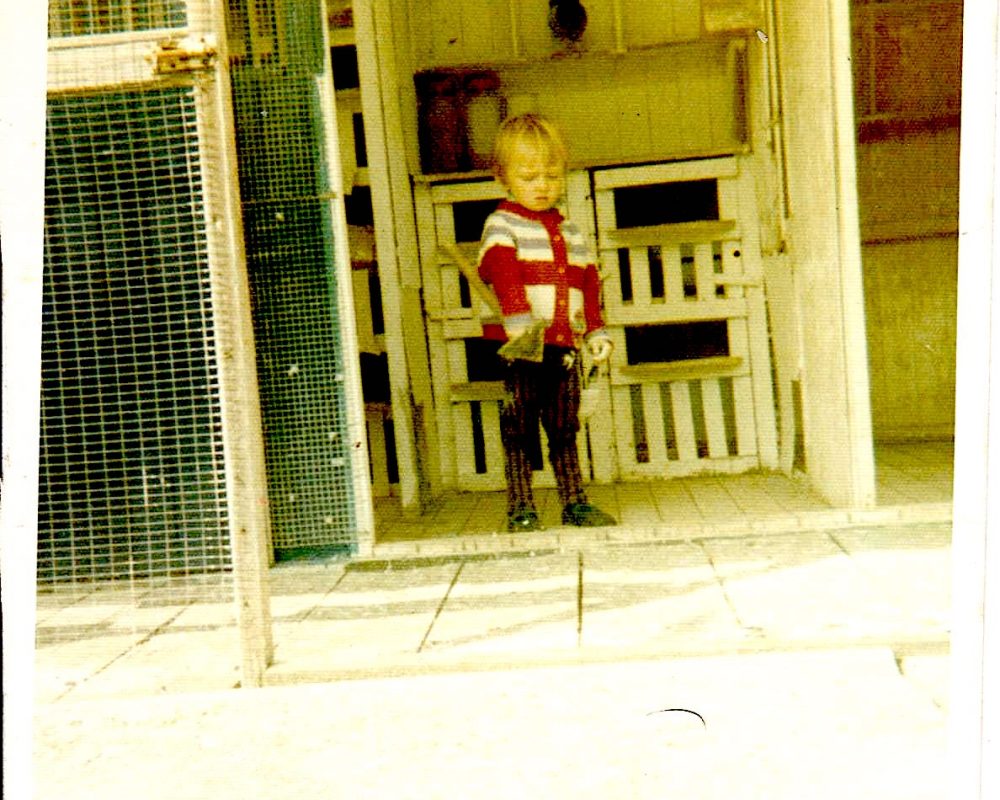
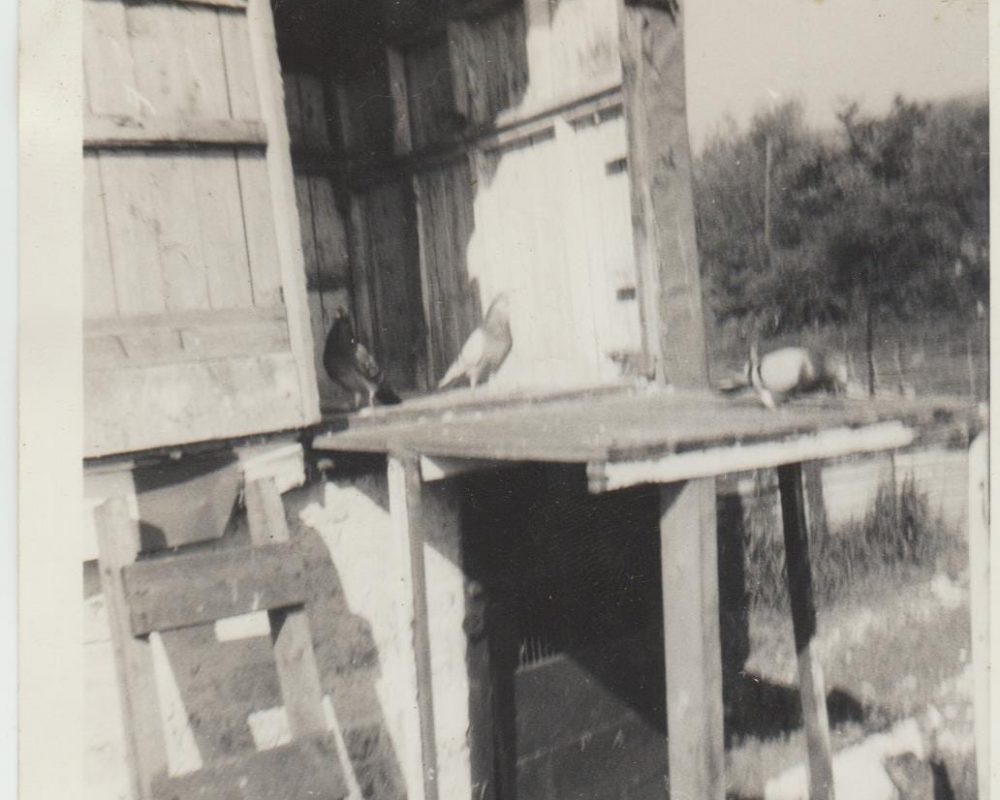
The first batch of photos are of the pigeon lofts in the village and the Lamb.
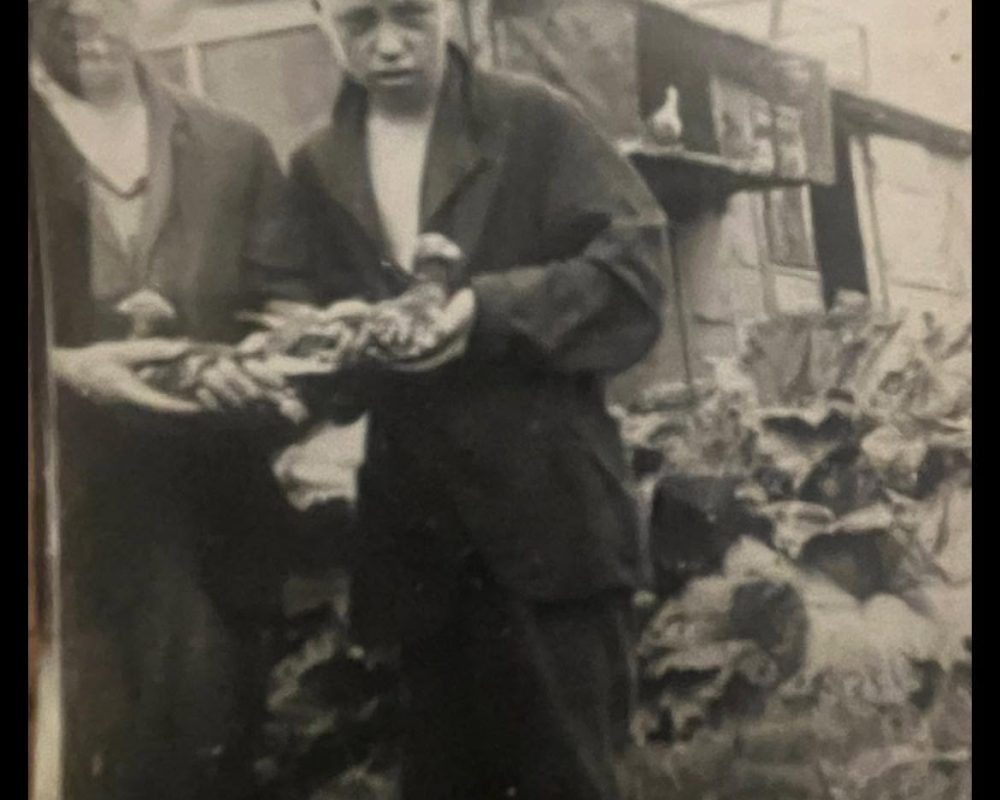
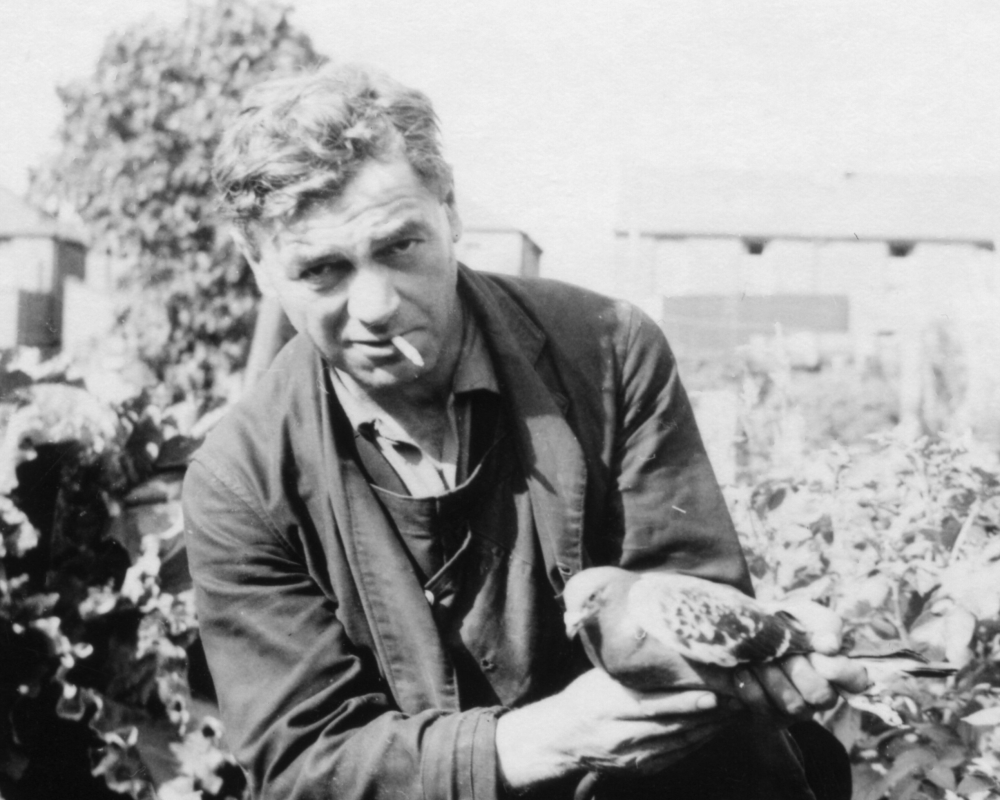
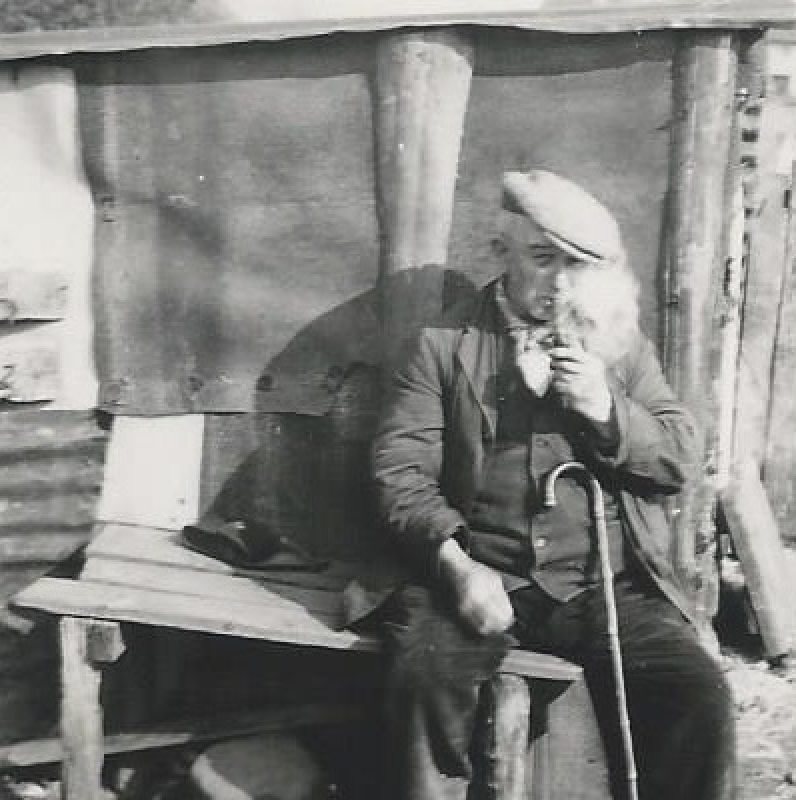
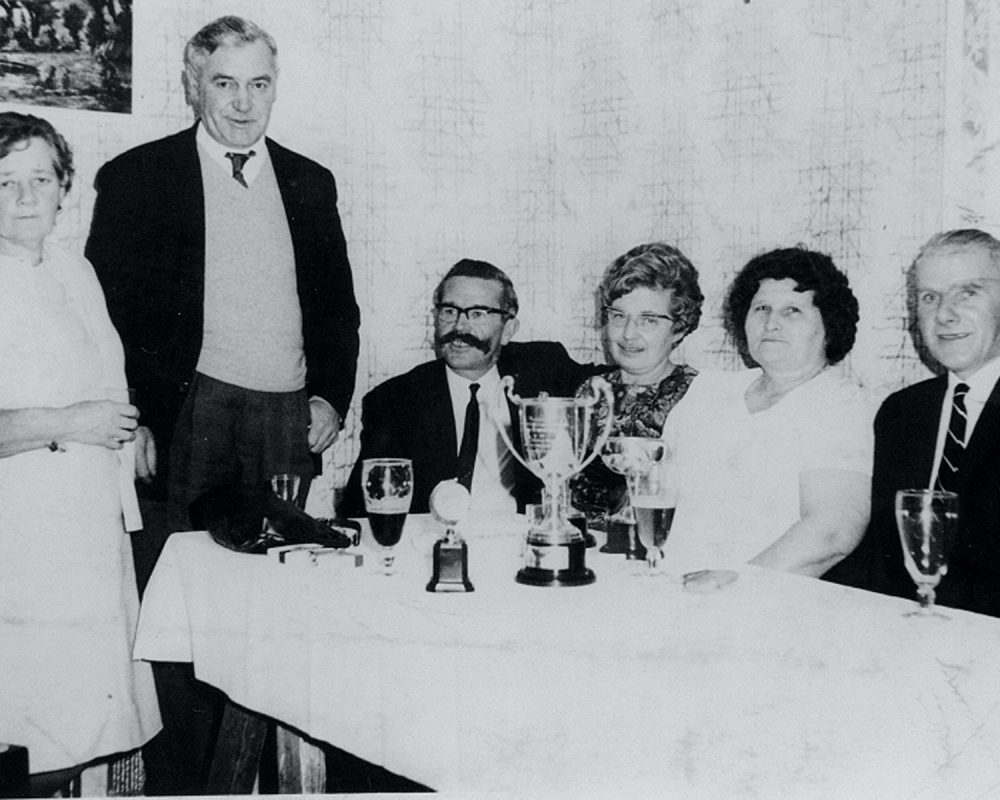
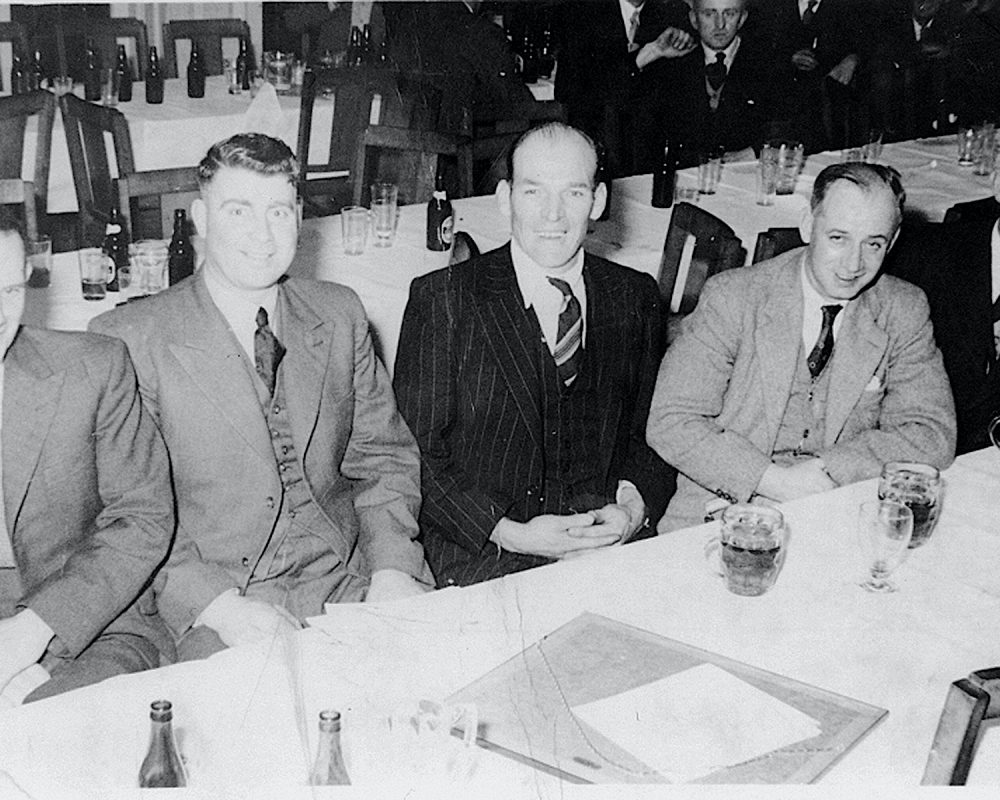
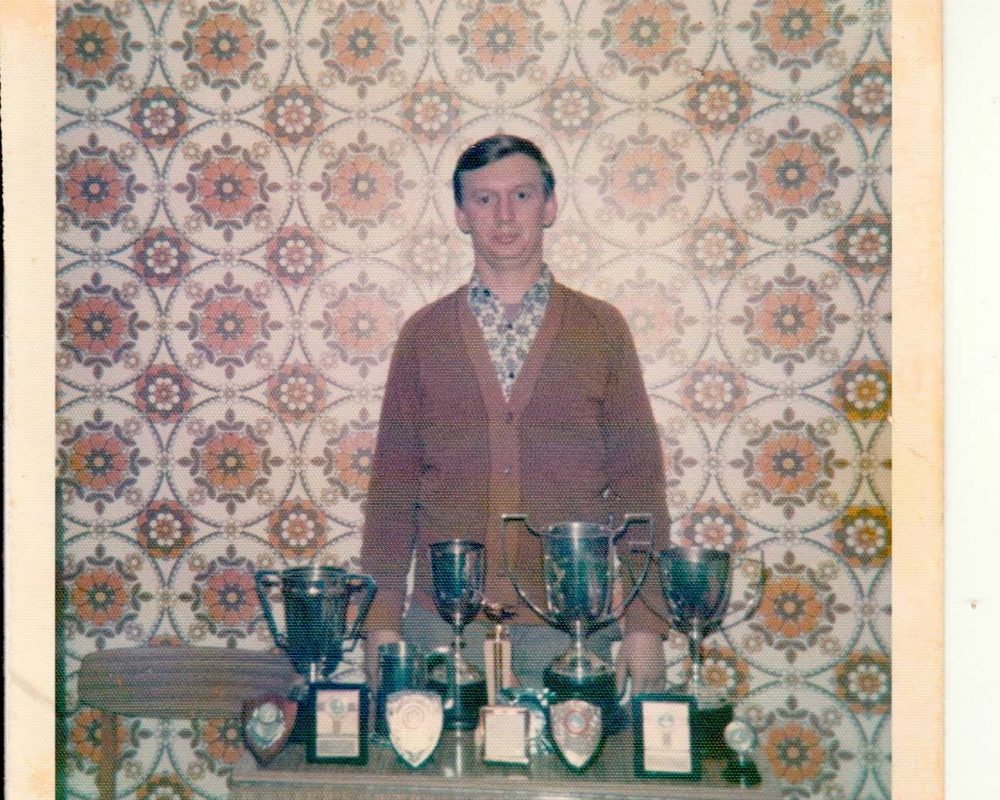
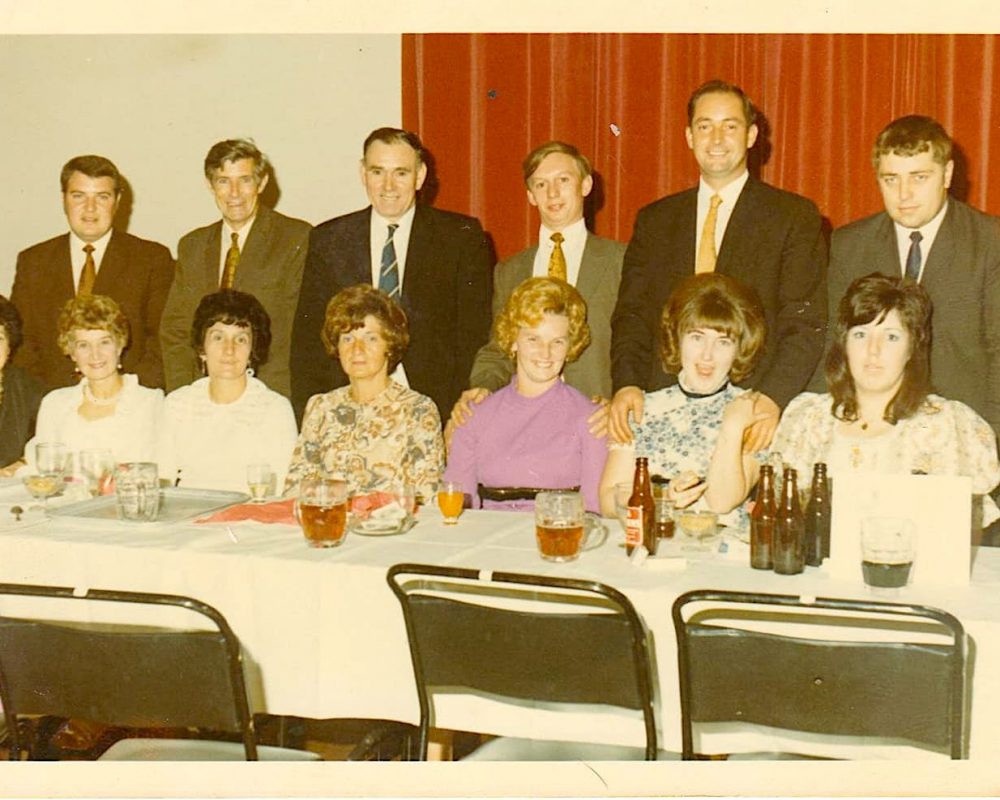
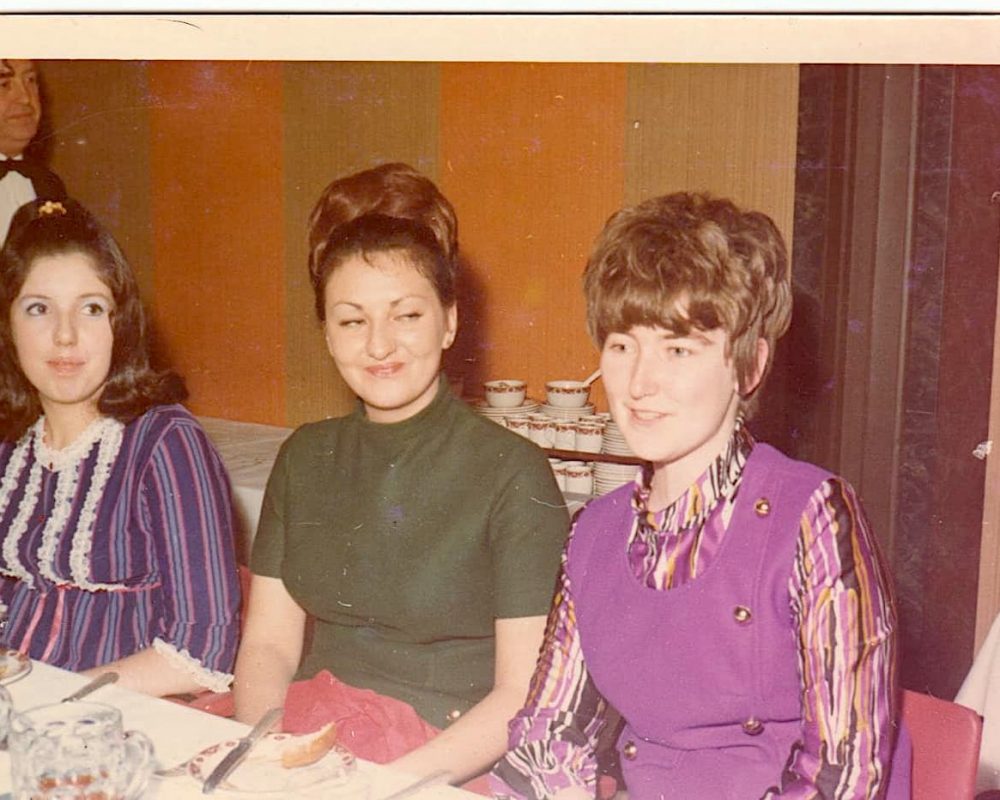
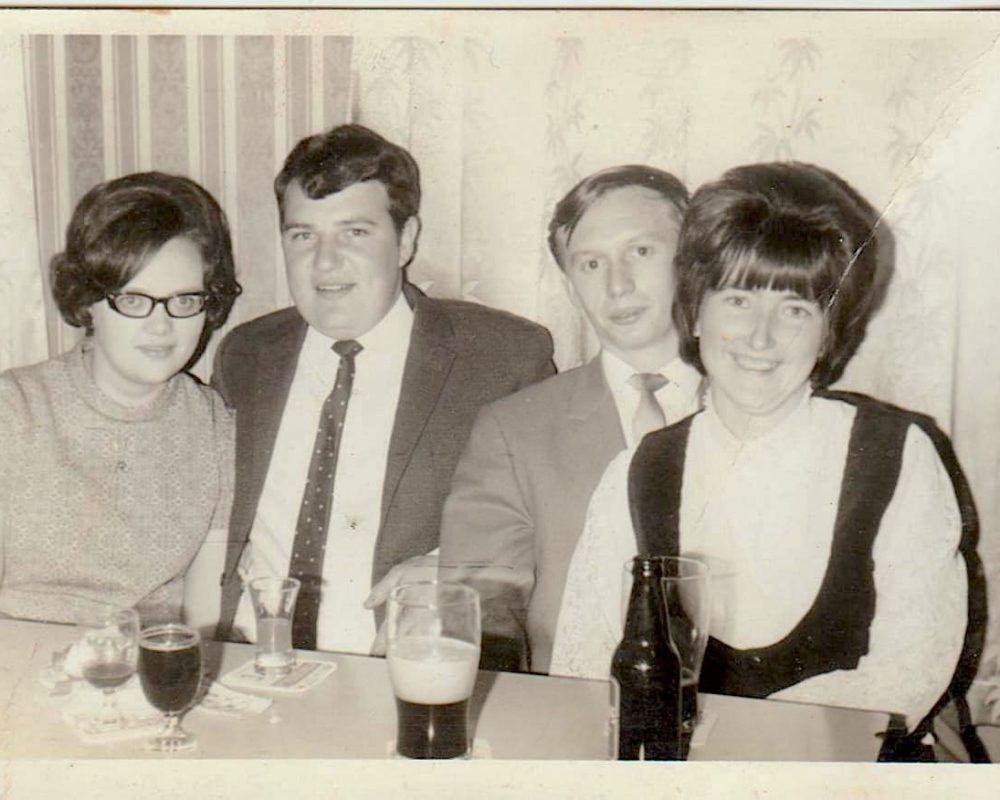
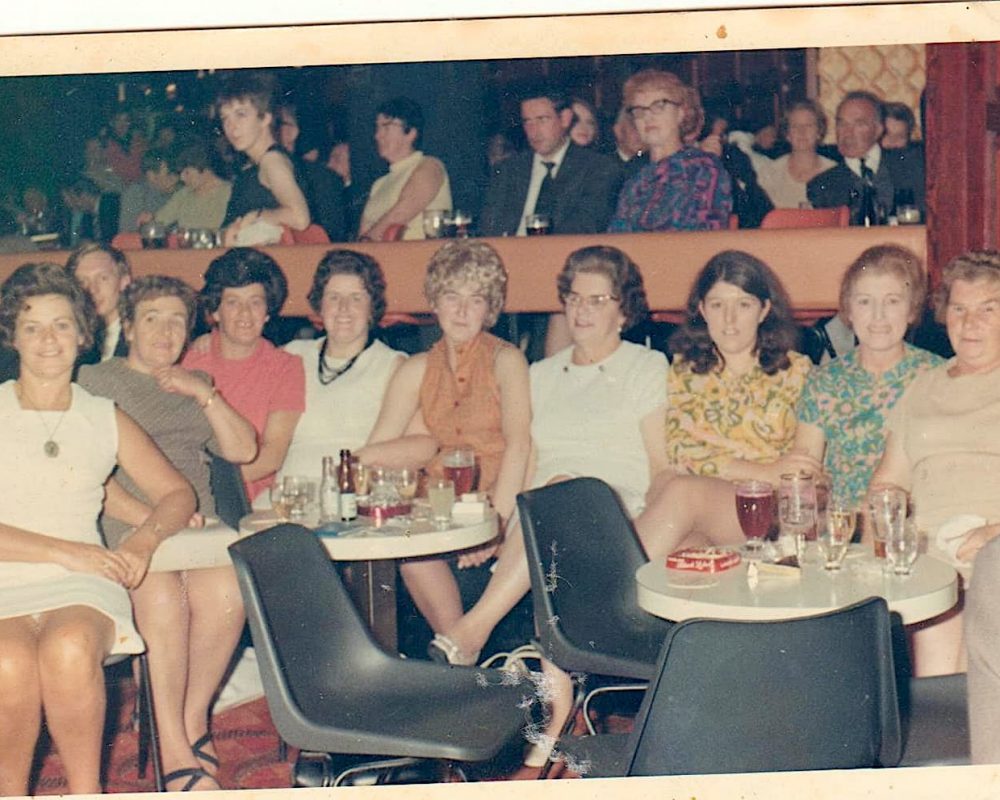
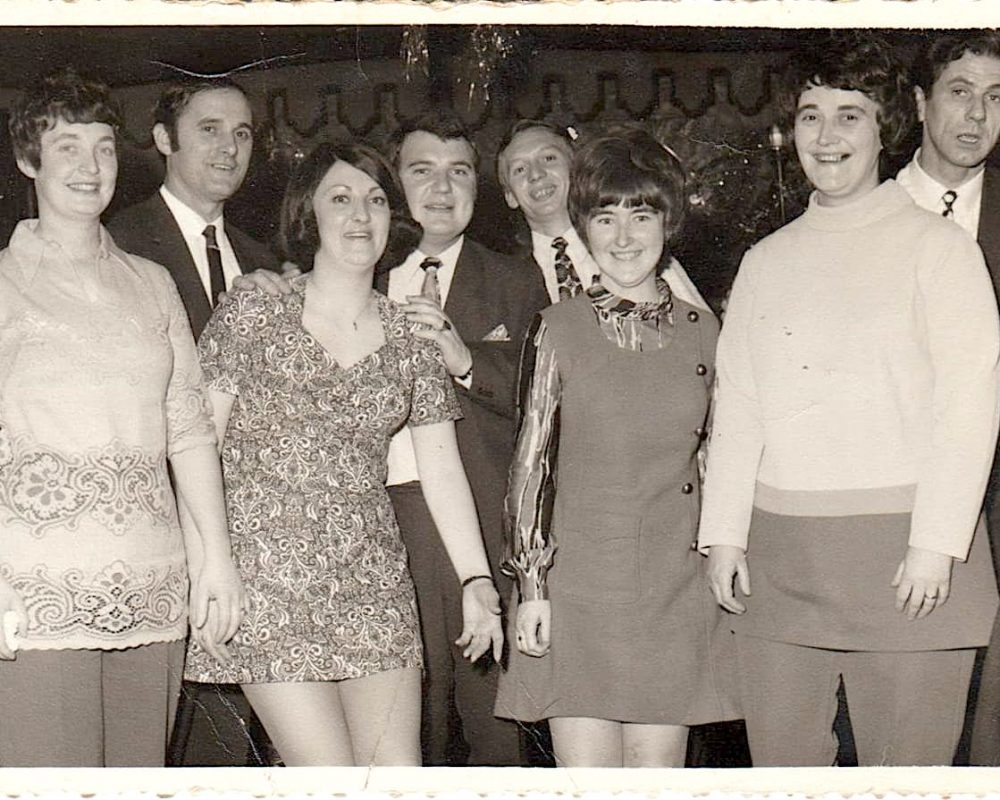
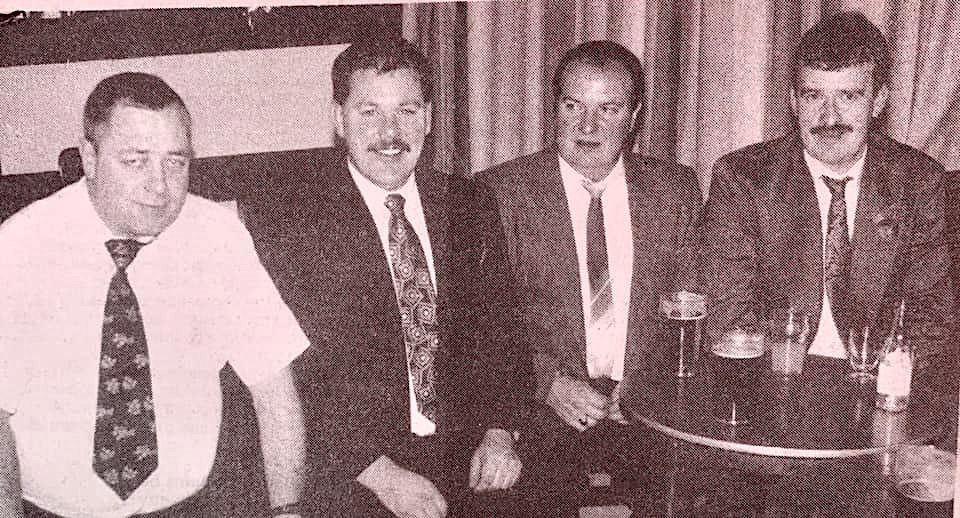
The second batch of photos are of various pigeon presentation evenings. If you know any of the names of people in the photos then please let me know and I can add their name alonside the photo.
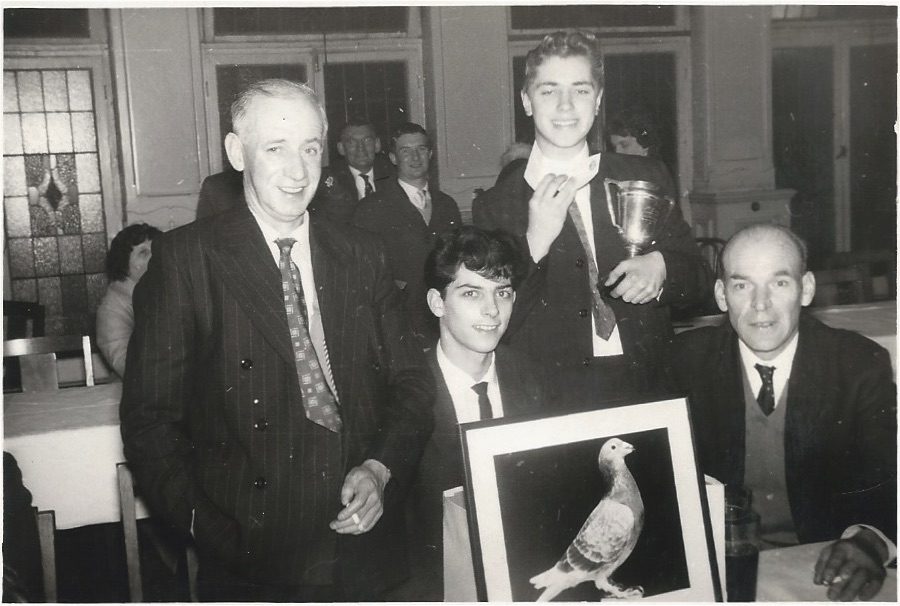 L to R: Evan John Evans, Reginald Jenkins, A beaming Billy Jones holding the cup and the cheque, Reginald Jenkins Sir.
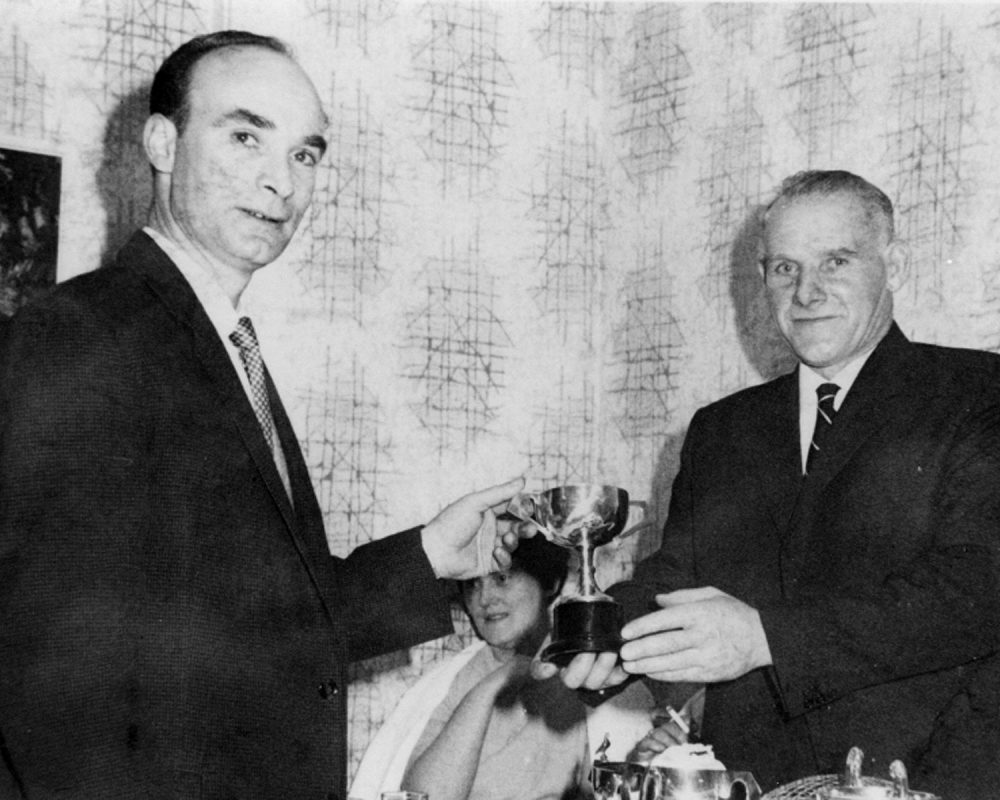
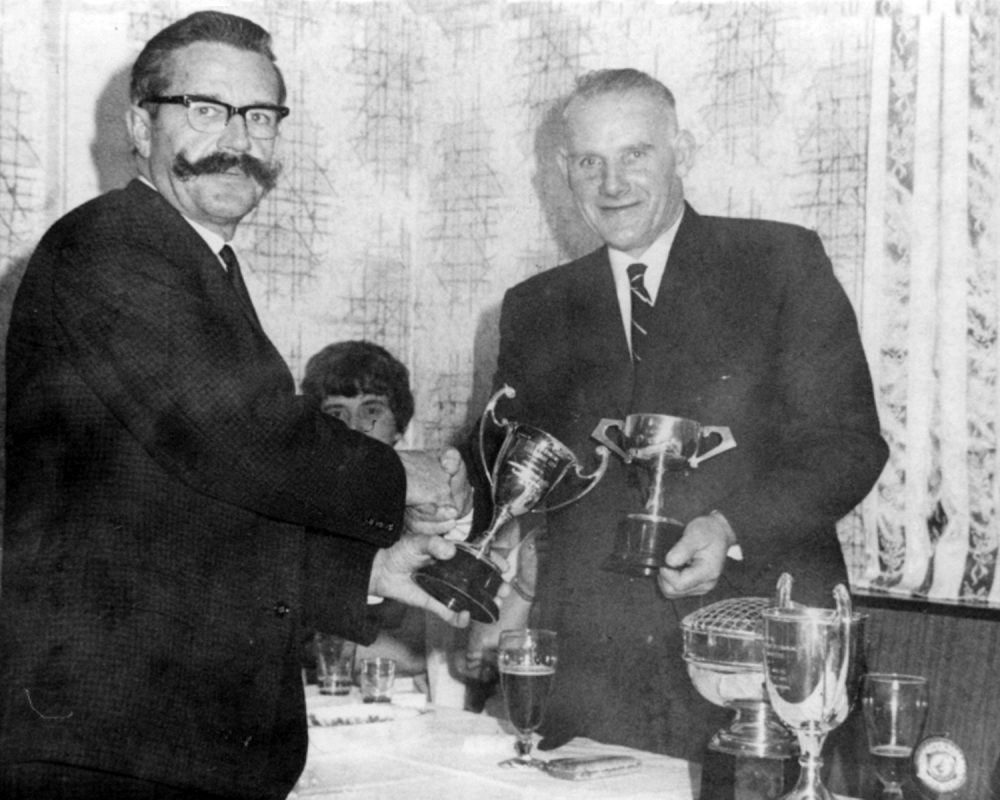
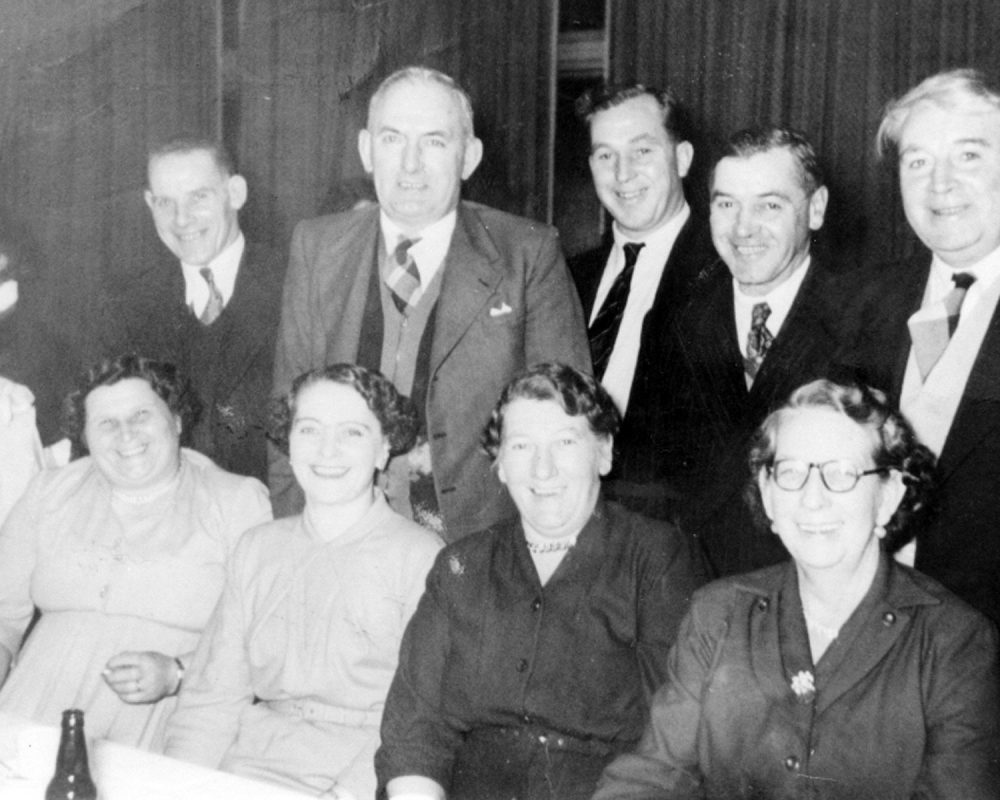
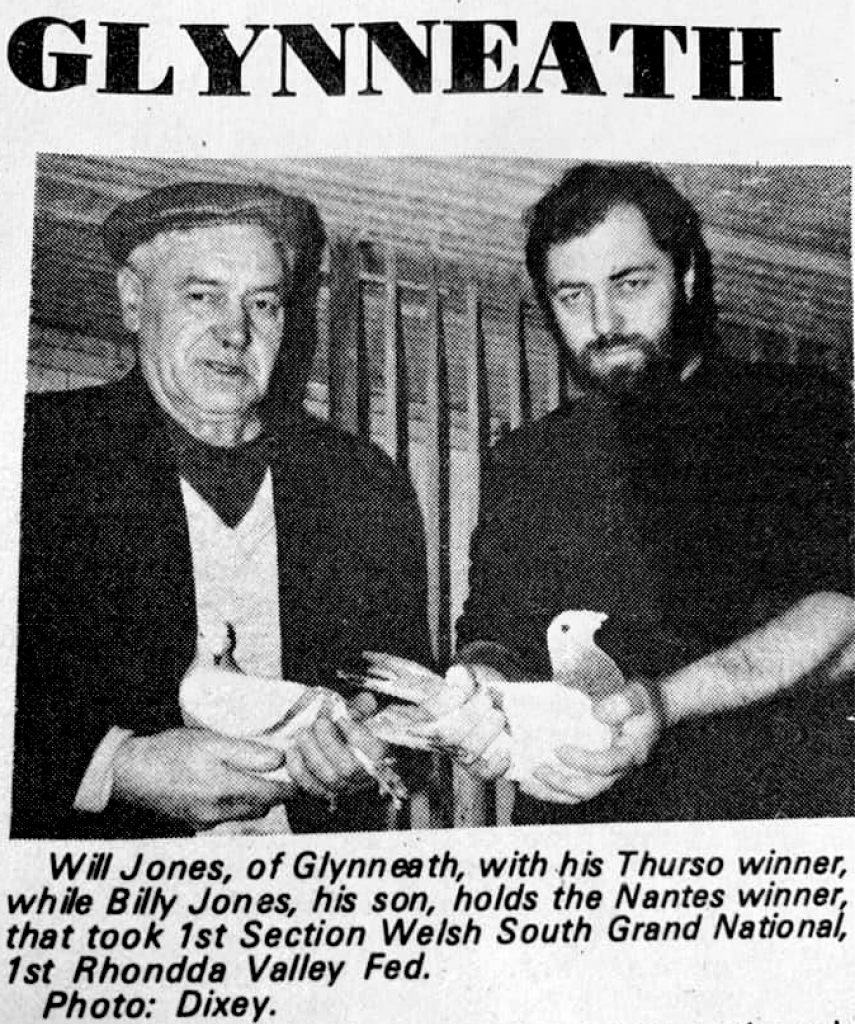
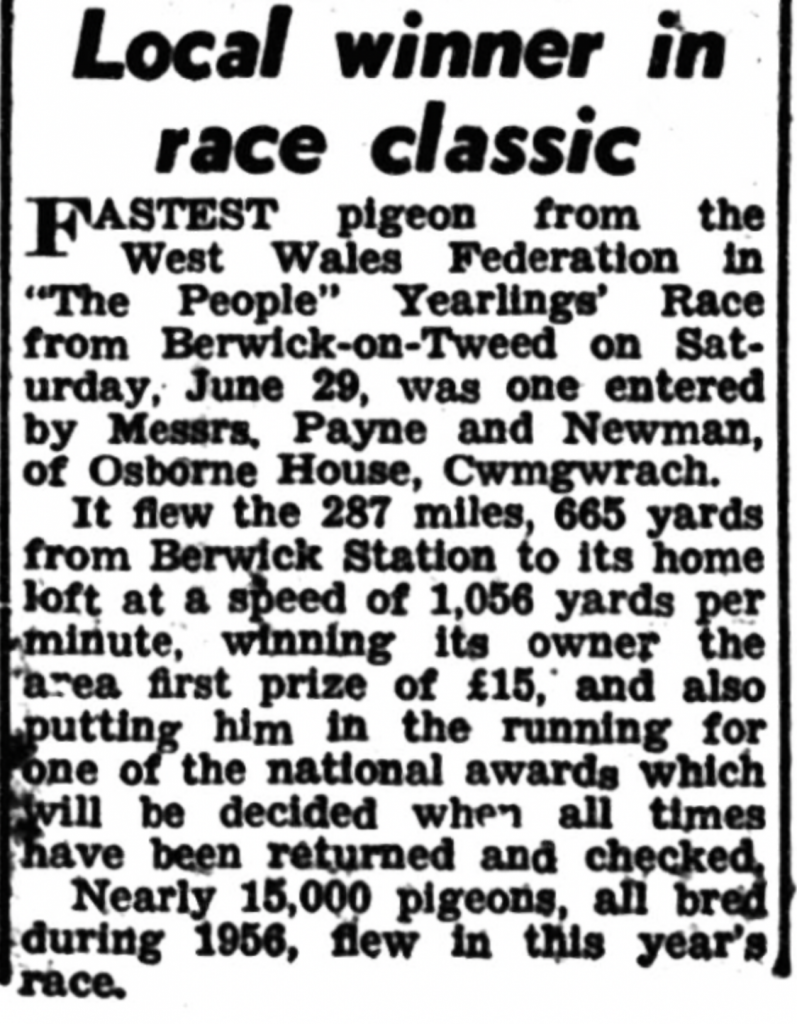
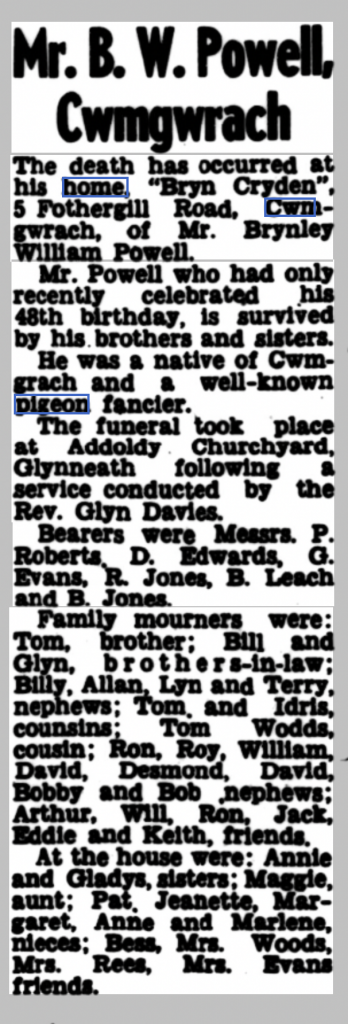
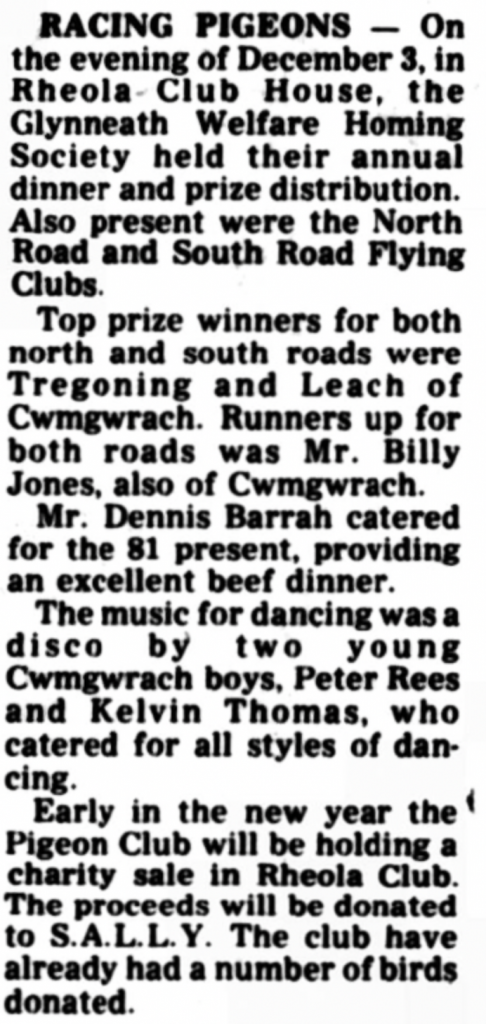
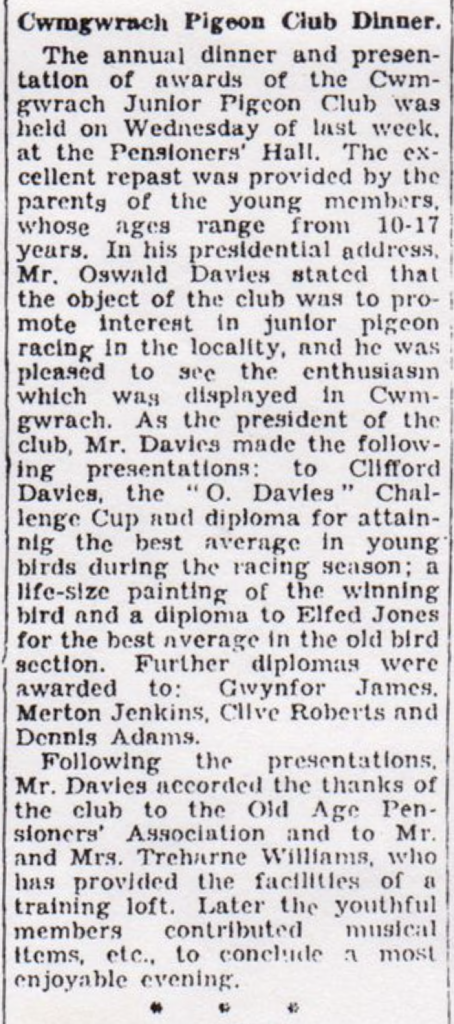
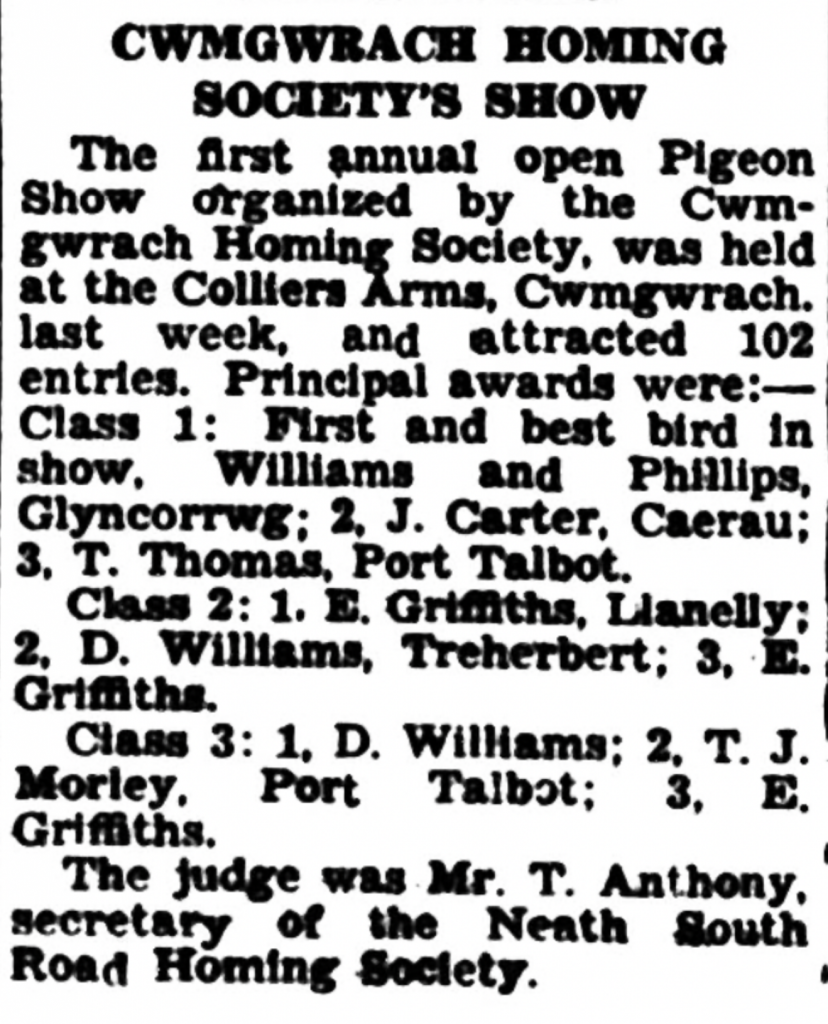
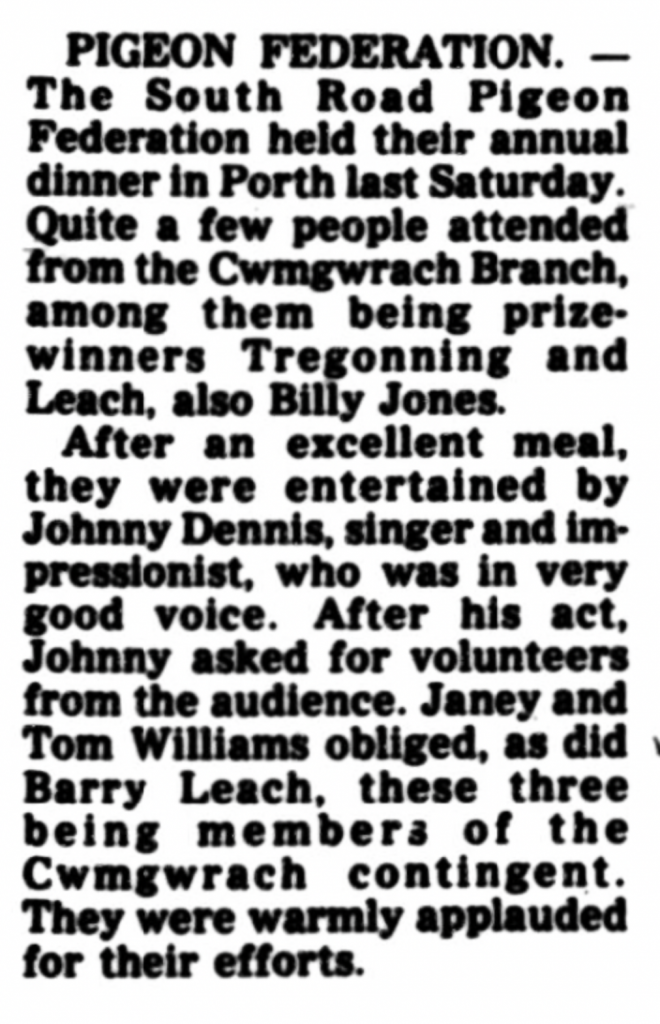
Below are various newspaper clipping mostly from the Neath Guardian.

Resources and References:
Names of Pigeon club members provided by Barry Leach.
Photographs provided by Paul Jones and Billy Bowen.
Newspaper clippings from the Neath Guardian and the story of the pigeon called Pride from The People.